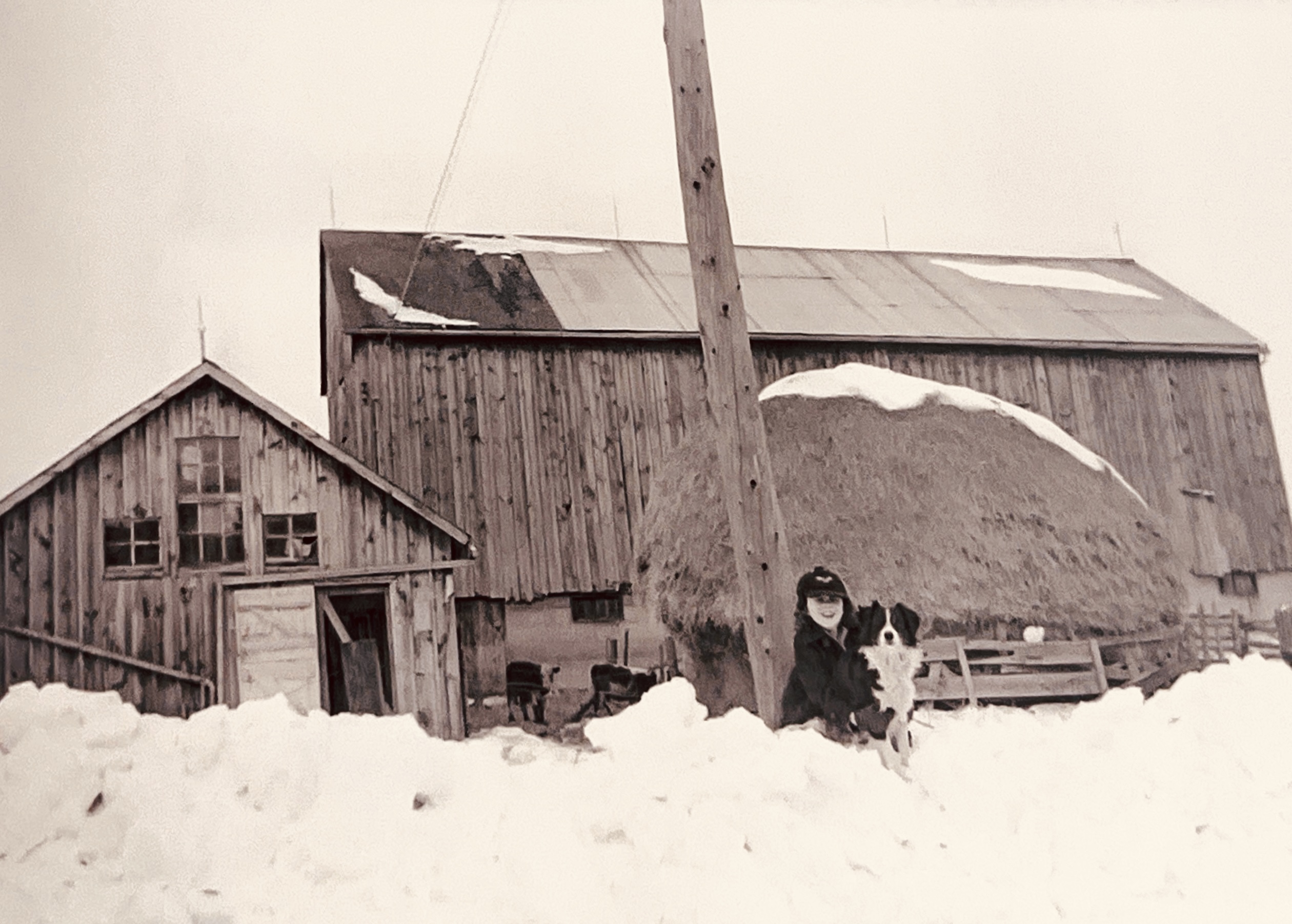
Tracing a Journey of Faith: Author Maria Moore shares the migration history of Old Colony Mennonites and her own family’s story during a presentation hosted by the Glencoe Historical Society.
The Old Colony Mennonite story stretches across continents and centuries—a journey shaped by faith, identity, and the ongoing search for a place where religious convictions can be lived without interference. This history, and its enduring impact, was the focus of a recent presentation by author Maria Moore at the Glencoe Presbyterian Church, hosted by the Glencoe & District Historical Society.
Mennonite roots trace back to 16th-century Switzerland, where the early Anabaptist movement emphasized adult baptism, pacifism, and simple Christian living. These beliefs, at odds with both Protestant and Catholic authorities, led to persecution and the first of many migrations. Families moved to the Netherlands and Prussia, establishing communities that maintained their language and traditions.
By the late 1700s, Russia became the next refuge. Catherine the Great invited Mennonites to settle in what is now Ukraine, offering exemption from military service and freedom to operate their own schools. Agricultural colonies thrived for nearly a century, but as Russian policies shifted toward conscription and educational control in the late 1800s, many Mennonites saw their autonomy slipping away.
This prompted a significant migration to Canada beginning in the 1870s. Old Colony Mennonites settled on the Prairies under promises of religious freedom and self-governed education. These freedoms held for several decades, but early 20th-century reforms—particularly mandatory public schooling—again challenged their way of life. Determined to preserve their traditions, many Old Colony leaders made the difficult decision to relocate once more.
In the 1920s, Mexico and Paraguay opened their doors to Old Colony Mennonites, allowing them to operate their own schools and maintain their religious practices. Colonies in Chihuahua and Durango grew, sustained by farming, hard work, and tightly knit communities. Life, however, was demanding. Harsh climate conditions, limited infrastructure, and distance from broader society required strong community bonds and resilience.
Daily life revolved around faith, family, and work. Many Old Colony communities resisted modern conveniences such as electricity, telephones, and automobiles, believing they could weaken community cohesion. Education typically ended after elementary school, with boys entering agricultural roles and girls learning domestic responsibilities. While these practices preserved culture, they also created challenges when families interacted with outside institutions.
Beginning in the 1960s, many Old Colony families travelled north as migrant workers, especially to Ontario and Manitoba. This movement exposed them to modern Canadian society, new languages, and different structures of schooling and healthcare. For some families, migration created new opportunities; for others, it heightened the tension between maintaining cultural traditions and adapting to new realities.
These historical patterns formed the context of Maria Moore’s presentation. Born into an Old Colony Mennonite community in Mexico, Moore shared her lived experience within this long tradition of movement and faith. She spoke of her family’s seasonal work in Ontario and how the death of her father and her mother’s illness during that time altered her life’s direction. These events marked the beginning of her journey navigating two cultures and finding her path forward.
In closing, Moore expressed deep gratitude—for the opportunity to share her family’s story, for the community that gathered to listen, and for the experiences that have shaped her life.
Maria Moore is the author of Not My Kind of Mennonite (2023) and her new release The Silent Path. Her second book explores her sister’s life inside the former Edgar Occupational Institute in Barrie, where she faced isolation, cultural loss, and systemic mistreatment. Moore is available for public speaking engagements and book club discussions. Her books can be purchased through Amazon, Indigo, FriesenPress, or ordered through independent bookstores. More information is available at www.notmykindofmennonite.com or on Instagram at @authormariamoore.

Wolf Family, Cuauhtemoc, Mexico in front of their adobe brick home

Old Colony Mennonite girls in Ukrainian scarves symbolizing Chortiza colony immigrants.
Written by Maria Moore for the Glencoe & District Historical Society. November 22, 2025